43 dna replication fork diagram labeled
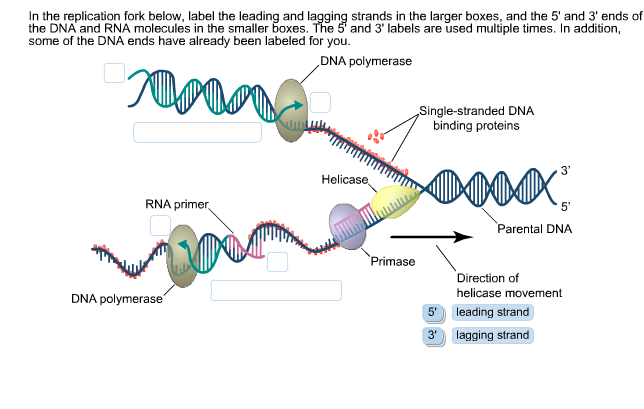
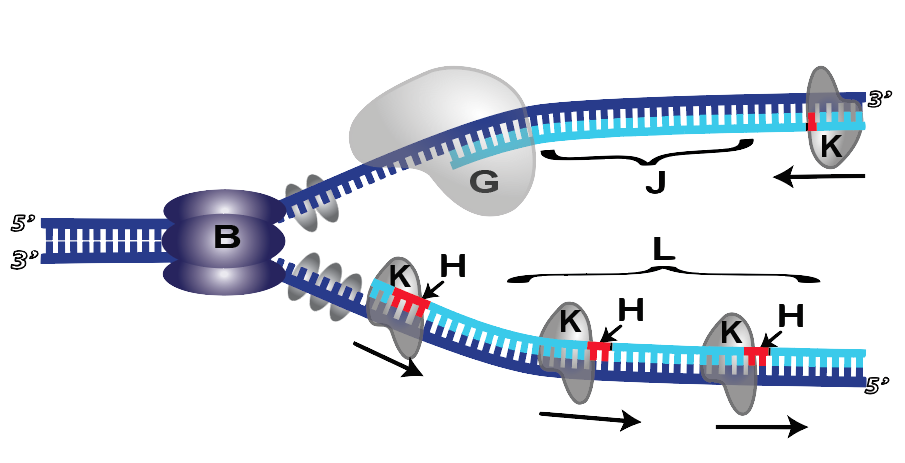
Label the diagram: DNA polymerase adds nucleotides (5' to 3') Replication fork is formed. DNA polymerase attaches to the primer. Okazaki fragments bound by ligase. DNA helicase unwinds DNA. Rearrange the steps to indicate the correct order: 1. Enzyme that unwinds DNA. 1. On the diagram below, label the 5' and 3' ends of both parental DNA strands (you can make up which is which) 2. Label the replication fork 3. Draw and label helicase 4. Label the overall direction of DNA replication 5. Draw and label single stranded binding proteins 6. Draw and label the leading strand 7.
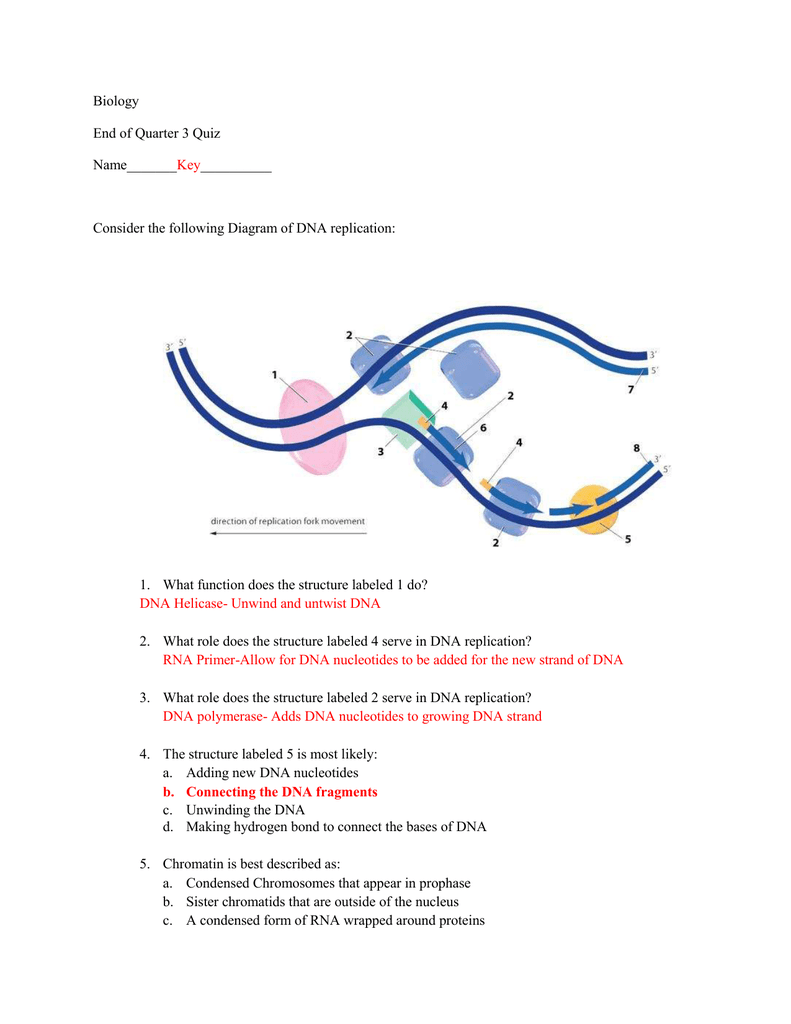
DNA REPLICATION WORKSHEET 1. Identify A-F on the above diagram of the replication fork. Also, list all the enzymes/proteins (a-g) participating in the DNA replication process. Briefly describe the role of each of the enzymes/proteins involved in DNA replication using your own words (no plagiarism!). a.
Dna replication fork diagram labeled
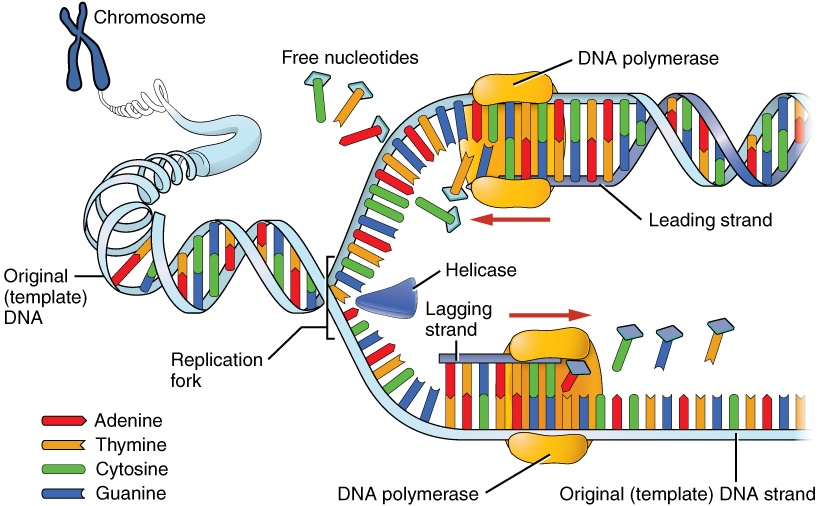
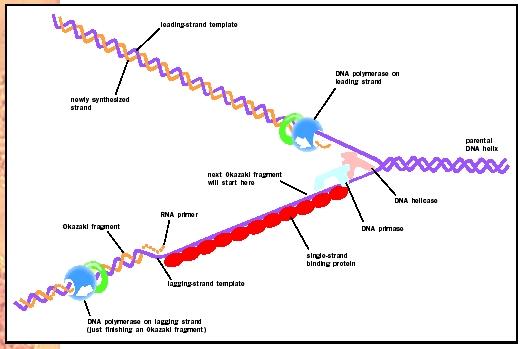
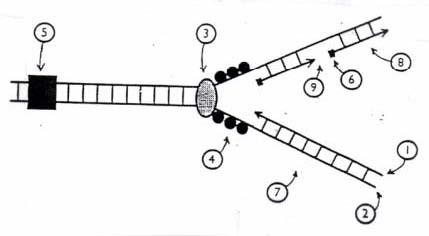
The replication fork is a structure which is formed during the long helical DNA during the process of DNA replication. It is activated by helicases, which helps in breaking the hydrogen bonds, which holds the two strands of the helix. The structure of a DNA replication fork. Because both daughter DNA strands are polymerized in the 5′-to-3′ direction, the DNA synthesized on the lagging strand must be made initially as a series of short DNA molecules, called Okazaki fragments. (more...) Go to: The High Fidelity of DNA Replication Requires Several Proofreading Mechanisms In this diagram of the process of DNA replication at a replication fork, the strand labeled B is the: DNA Replication The two antiparallel strands are replicated simultaneously in both directions. RNA primers are used to initiate a new strand. The parent strand at the 3' end of the template determines the
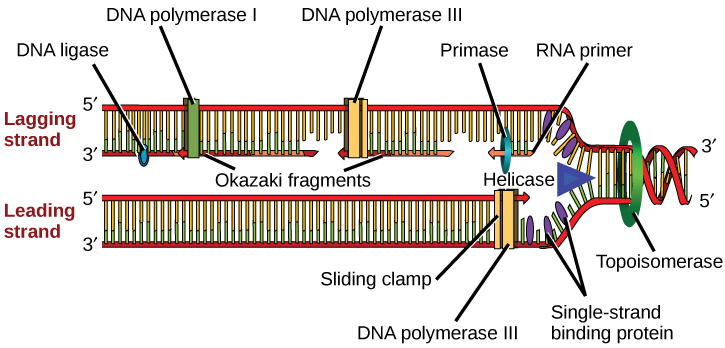
Dna replication fork diagram labeled. EOF Label the diagram: DNA polymerase adds nucleotides (5' to 3') Replication fork is formed. DNA polymerase attaches to the primer. Okazaki fragments bound by ligase. DNA helicase unwinds DNA. Rearrange the steps to indicate the correct order: 1. Enzyme that unwinds DNA. corrects "overwinding" ahead of replication forks by breaking, swiveling, and rejoining DNA strands. Primase. An enzyme that creates a short RNA primer for initiation of DNA replication. RNA Primer. short segment of RNA used to initiate synthesis of a new strand of DNA during replication The primer synthesized by primase enzyme. A replication fork is the area of DNA that is being unwound prior to replication There are two replication forks for every one ori As DNA replication begins continuously on one strand, the first Okazaki fragment produced becomes the leading strand for the other replication fork Advance of the replication fork and unwinding the helix
The region of replicating DNA at which the two strands of the parental DNA are separated and two new daughter DNA molecules are made, each with one parental strand and one newly synthesized strand, is called a replication fork. replication fork: the Y-shaped structure formed during the initiation of replication semiconservative replication: the method used to replicate DNA in which the double-stranded molecule is separated and each strand acts as a template for a new strand to be synthesized, so the resulting DNA molecules are composed of one new strand of nucleotides ... DNA replication is a highly enzyme-dependent process. There are many enzymes involved in the DNA replication which includes the enzymes DNA-dependent DNA polymerase, helicase, ligase, etc. Among them, DNA-dependent DNA polymerase is the main enzyme. DNA-dependent DNA polymerase In this diagram of the process of DNA replication at a replication fork, the strand labeled B is the: A template strand. B lagging strand. C leading strand. D Okazaki fragment. E RNA primer. The Biology Project University of Arizona Thursday, October 3, 1996 Contact the Development Team.
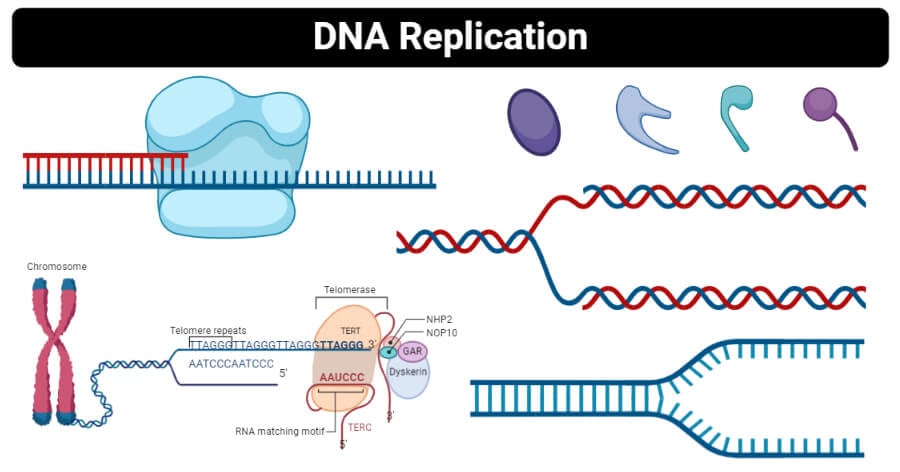
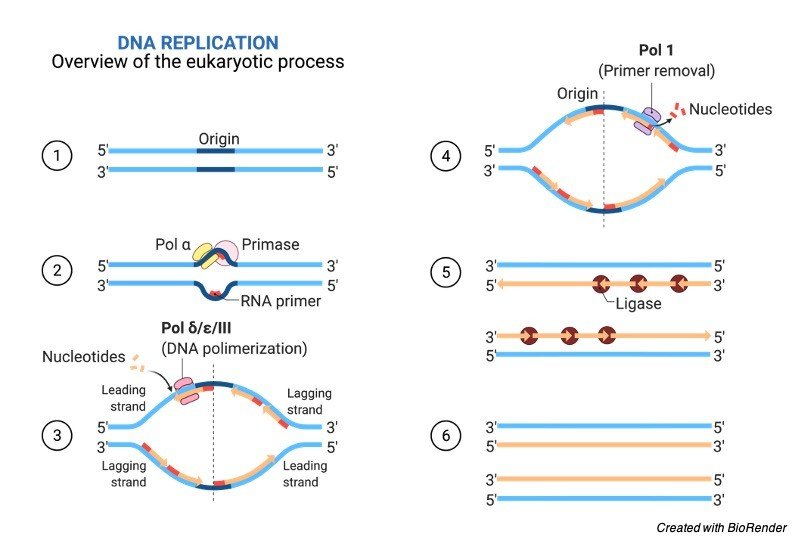
DNA replication is the process of duplication of DNA during cell division. DNA is a self-replicating structure and the semi-conservative process of DNA replication occurs in the sequence of initiation, elongation, and termination. The "unzipping" of the DNA double helix occurs by helicase enzyme which breaks the hydrogen bonds holding the ... In this diagram showing the replication of dna label the following terms. Dna replication is discontinuous in one strand. The process of dna replication occurs during the synthesis phase or s phase of the cycle of a cell before the process of mitosis or meiosis. Biology questions and answers. Label the parts of the DNA replication fork. DNA helicase Okazaki fragment Open beta clamp DNA ligase DNA polymerase III Leading strand Closed beta clamp RNA primer DNA primase Single-strand binding proteins DNA gyrase Clamp loader DNA polymerase I Parent DNA. Question: Label the parts of the DNA replication fork. The replication fork * is a region where a cell's DNA * double helix has been unwound and separated to create an area where DNA polymerases and the other enzymes involved can use each strand as a template to synthesize a new double helix. DNA Base RNA Base An enzyme called a helicase * catalyzes strand separation.
DNA Replication — Steps & Diagram - Expii
QUESTION In this diagram of the process of DNA replication at a replication fork, the black boxes labeled D and E are: A RNA primers B DNA template strands C Okazaki fragments D DNA polymerase E Newly synthesized DNA strand ANSWER A. RNA primers The initiation of replication always starts with a short RNA piece.

Nucleic Acids and the Genetic Material Problem Set
In this diagram of the process of DNA replication at a replication fork, the strand labeled B is the: DNA Replication The two antiparallel strands are replicated simultaneously in both directions. RNA primers are used to initiate a new strand. The parent strand at the 3' end of the template determines the
DNA Replication- definition, enzymes, steps, mechanism, diagram
The structure of a DNA replication fork. Because both daughter DNA strands are polymerized in the 5′-to-3′ direction, the DNA synthesized on the lagging strand must be made initially as a series of short DNA molecules, called Okazaki fragments. (more...) Go to: The High Fidelity of DNA Replication Requires Several Proofreading Mechanisms
Can anyone help a girl out with labeling a replication fork ...
The replication fork is a structure which is formed during the long helical DNA during the process of DNA replication. It is activated by helicases, which helps in breaking the hydrogen bonds, which holds the two strands of the helix.
DNA Replication in Prokaryotes – Biology 2e
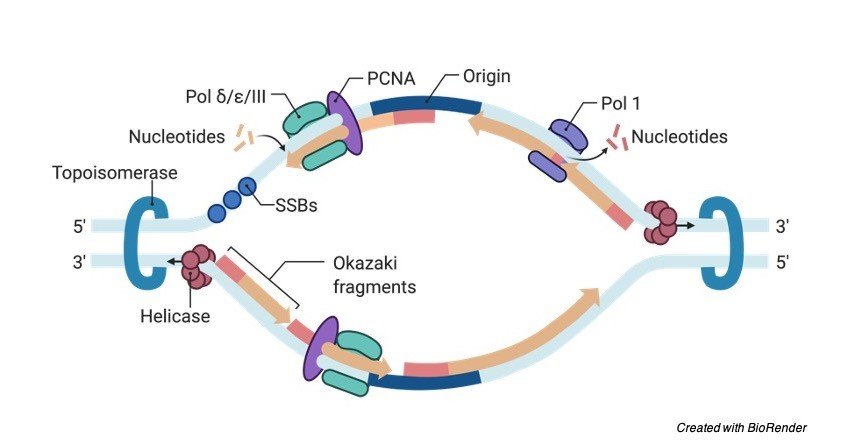
Replication Fork: Definition, Structure, Diagram, & Function

Okazaki Fragments - an overview | ScienceDirect Topics
Draw a labelled schematic sketch of replication fork of DNA ...
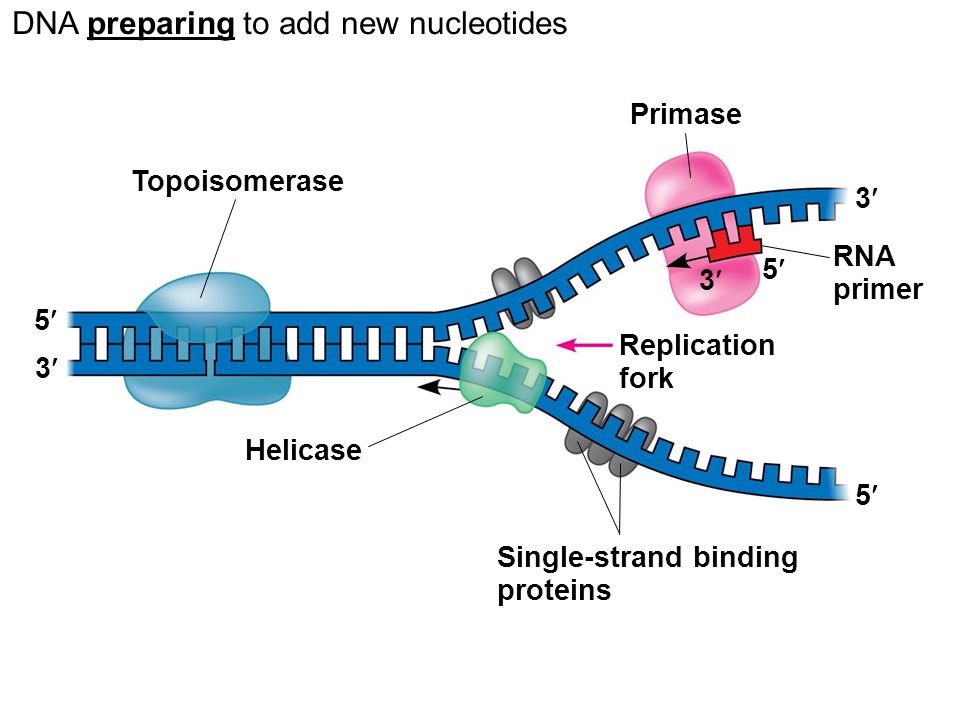
Chapter 13 DNA Replication. - ppt download
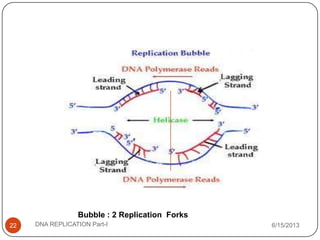
Dna replication part i

Label the figure to assess your knowledge ... | Clutch Prep

DNA Replication - Leading Strand vs Lagging Strand & Okazaki Fragments
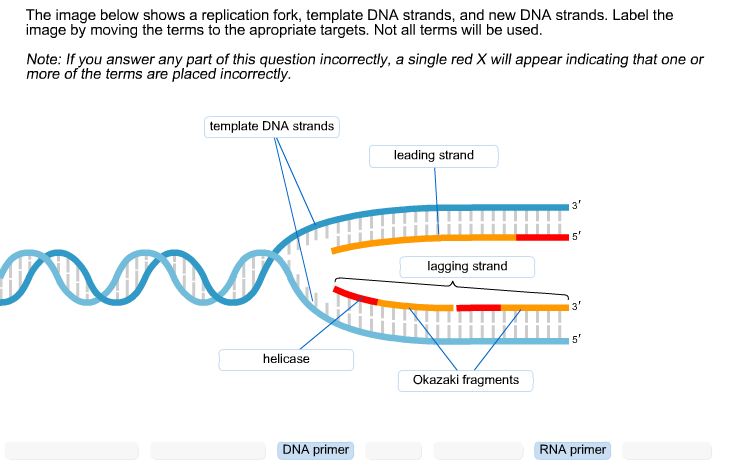
Solved The image below shows a replication fork, template ...

DNA Replication | Boundless Biology

2,560 Dna Replication Stock Photos, Pictures & Royalty-Free ...
Bio 102 Practice Problems Chromosomes and DNA Replication

A, schematic representation of the replication fork ...

DNA Replication Diagram Quiz
Replication Fork: Definition, Structure, Diagram, & Function

The diagram below shows a bacterial replic... | Clutch Prep

Replication Fork Diagram | Quizlet

DNA Replication | Microbiology

DNA Replication — Steps & Diagram - Expii

The figure below is a DNA replication bubb... | Clutch Prep

Choater 13 enztmes in DNA Replication Diagram | Quizlet

DNA Replication Fork: Definition & Overview - Video & Lesson ...
Bio 102 Practice Problems Chromosomes and DNA Replication

Eukaryotic DNA replication - Wikipedia
Solved In the replication fork below, label the leading and ...

Analysis of the elongation phase and replication fork ...
Biology End of Quarter 3 Quiz Name_______Key__________
Replication - Biology Encyclopedia - cells, body, function ...

2,560 Dna Replication Stock Photos, Pictures & Royalty-Free ...
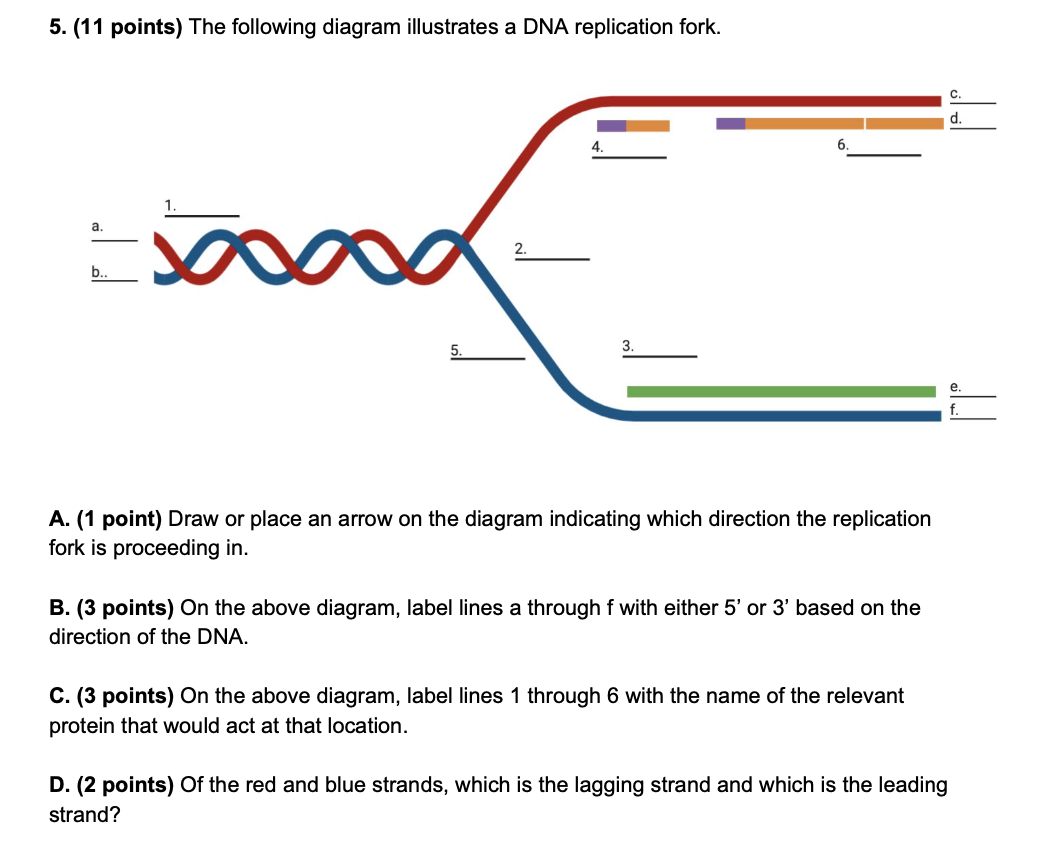
Solved 5. (11 points) The following diagram illustrates a ...
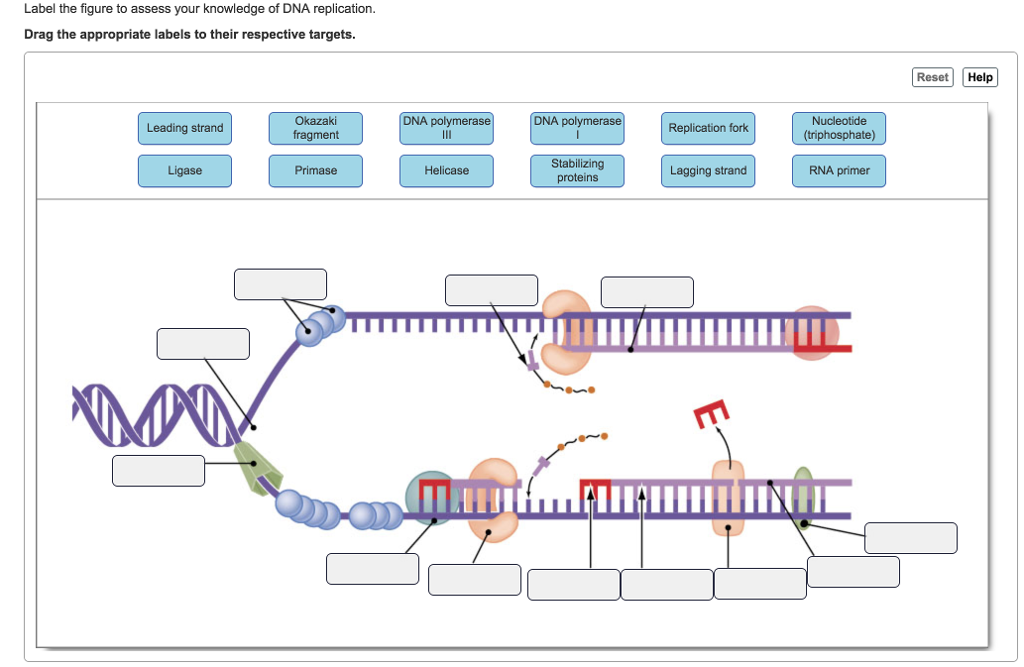
Solved Label the figure to assess your knowledge of DNA ...

Nucleic Acids and the Genetic Material Problem Set
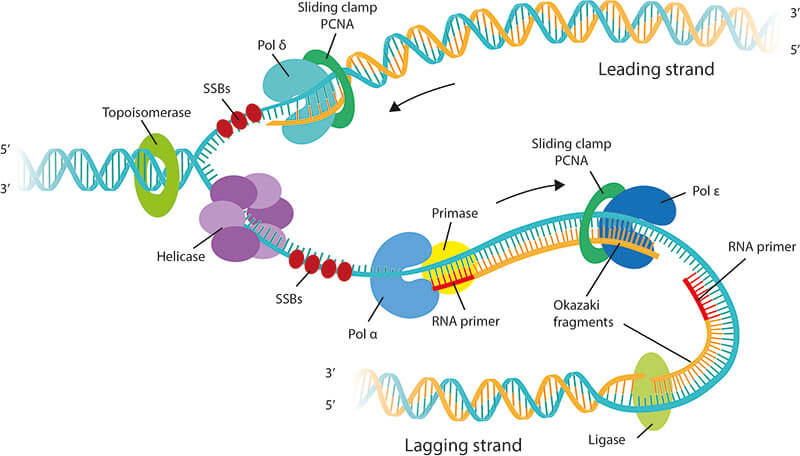
DNA Replication- definition, enzymes, steps, mechanism, diagram

DNA Replication Fork Diagram | Quizlet
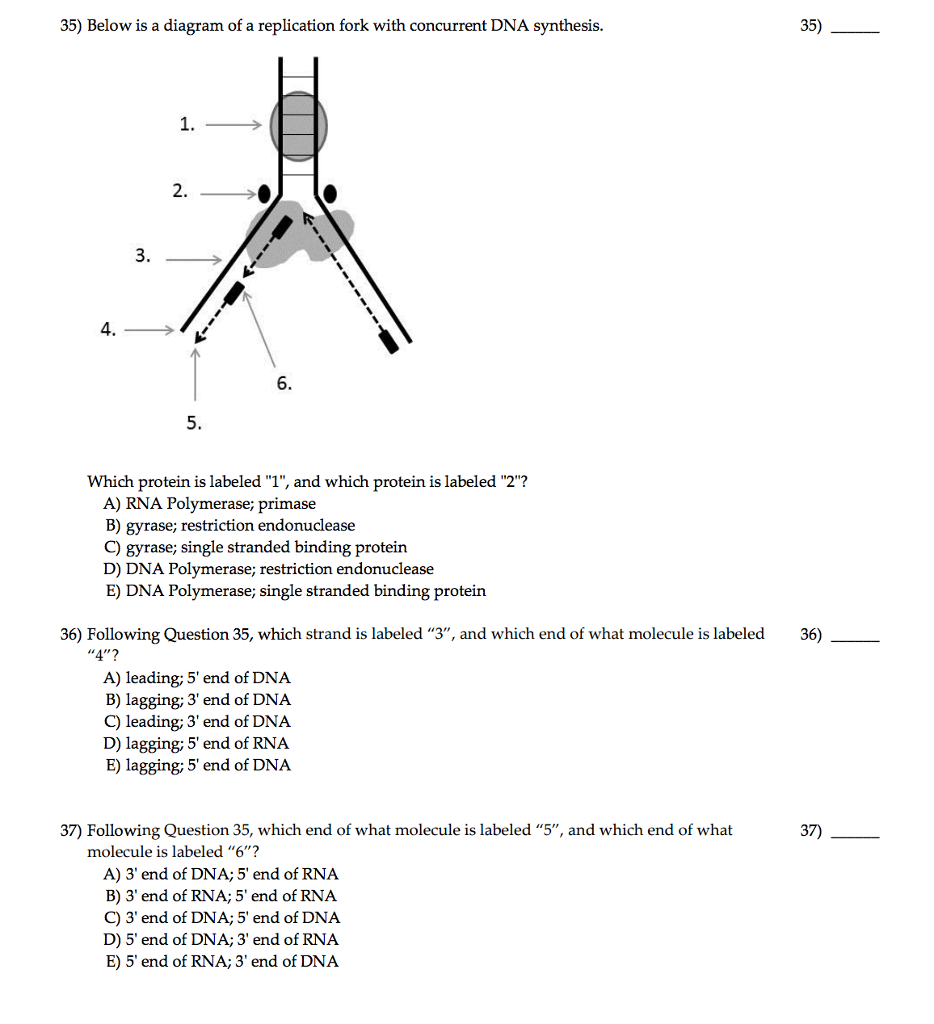
Solved Below is a diagram of a replication fork with | Chegg.com
A, schematic representation of the replication fork ...
DNA Replication (tutorial) – learn-biology

Micro 261 Exam 1- Chapter 4 Mastering Questions Flashcards ...
Solved Below is a diagram of a DNA replication fork in ...


Comments
Post a Comment