42 cutaneous membrane diagram
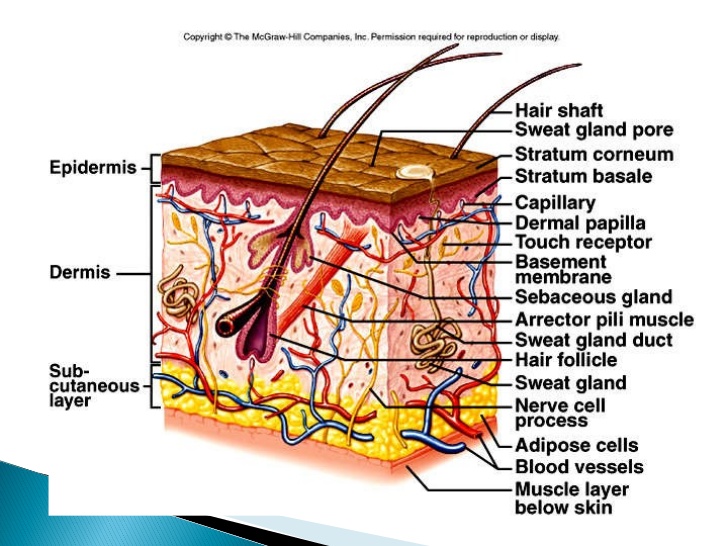
cutaneous membrane. The epidermis and papillary layer of the dermis. epidermal derivatives. glands, nails, hair follicles. ... hair structure shaft riit follicle - space where you find hair bulb hair matrix (produces hair) smooth musle Arrector pili muscle- goose bumps root hair plexus. Skin = Integument = Cutaneous Membrane. STRUCTURE OF THE SKIN • 2 basic layers2 basic layers • Epidermis Epidermis – Outermost coveringOutermost covering – Epithelial cellsEpithelial cells – AvascularAvascular • DermisDermis – True skinTrue skin
Serous Membranes (Serosa) -Surface is a layer of simple squamous epithelium. -Underlying layer is a thin layer of areolar connective tissue. -Lines open body cavities that are closed to the exterior of the body. -Serous membranes occur in pairs separated by serous fluid. * Visceral layer covers the outside of the organ.

Cutaneous membrane diagram
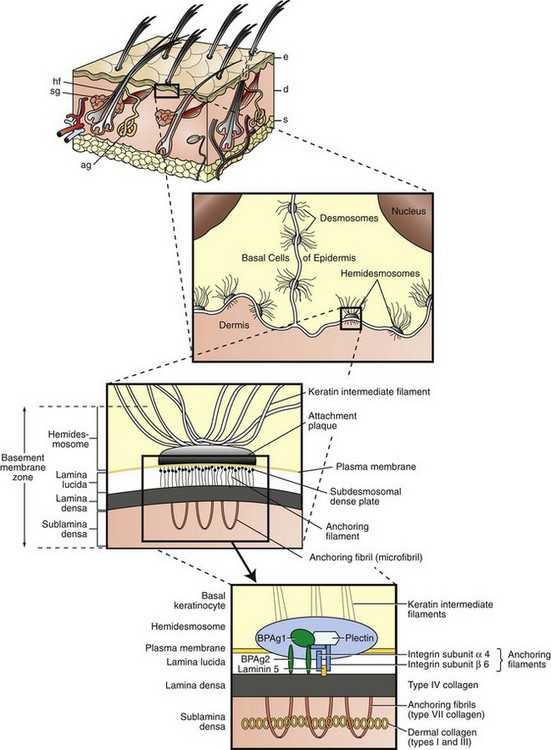
of the basement membrane. Type IV collagen is similar in structure to its fiber-forming family members in that it contains trimers that wrap around one another into a helical structure. However, these trimers do not assemble into parallel, crosslinked arrays to form fibrils. Instead, type IV collagen retains domains at its N and C-termini The skin is an epithelial membrane also called the cutaneous membrane. It is a stratified squamous epithelial membrane resting on top of connective tissue. The apical surface of this membrane is exposed to the external environment and is covered with dead, keratinized cells that help protect the body from desiccation and pathogens. The cutaneous membrane has two major layers. Mainly, epidermis and dermis. Epidermis: This forms the outer layer of the skin, and is a structure made up of keratinized stratified squamous epithelial cells. It has no blood vessels and contains 4 types of cells, 5 layers of cells forming a tissue.
Cutaneous membrane diagram. Connective tissue membranes do not contain an epithelial cell layer and there are two forms found in the body; synovial and meninges membranes. Synovial Membrane The synovial membrane (or synovium ) is the connective tissue which lines the inner surface of the capsule of a synovial joint and secretes synovial fluid which serves a lubricating ... membrane. (skin). Cutaneous membrane (the skin) covers the body surface. ... (c) Serous membranes line body cavities closed to exterior.Missing: diagram | Must include: diagram Serous Membrane Cavities — are lined by serous membrane — are normally empty (except for microscopic cells and a film of fluid) — function to preclude adhesions among organs, thereby allowing organs to move freely relative to one another. A serous membrane consists of a single layer of flattened mesothelial cells applied to the Cutaneous Membrane Cutaneous membrane = skin Dry membrane Outermost protective boundary Superficial epidermis is composed of keratinized stratified squamous epithelium Underlying dermis is mostly dense connective tissue
Membranes are thin layers of epithelial tissue usually bound to an underlying layer of connective tissue. Membranes cover, protect, or separate other structures or tissues in the body. The four types of membranes are: 1) cutaneous membranes; 2) serous membranes; 3) mucous membranes; and 4) synovial membranes. The cutaneous membrane is skin. Immediately below the epidermis is the basement membrane, a specialised structure that lies between the epidermis and dermis.It includes various protein structures linking the basal layer of keratinocytes to the basement membrane (hemidesmosomes) and the basement membrane to the underlying dermis (anchoring fibrils).The basement membrane has an important role in making sure the epidermis ... Start studying cutaneous membrane. Learn vocabulary, terms, and more with flashcards, games, and other study tools. Epithelial membranes. ·Cutaneous membranes. ·Mucous membranes. ·Serous membranes. Connective tissue membranes. ·Synovial membranes. CUTANEOUS MEMBRANE.13 pagesMissing: diagram | Must include: diagram
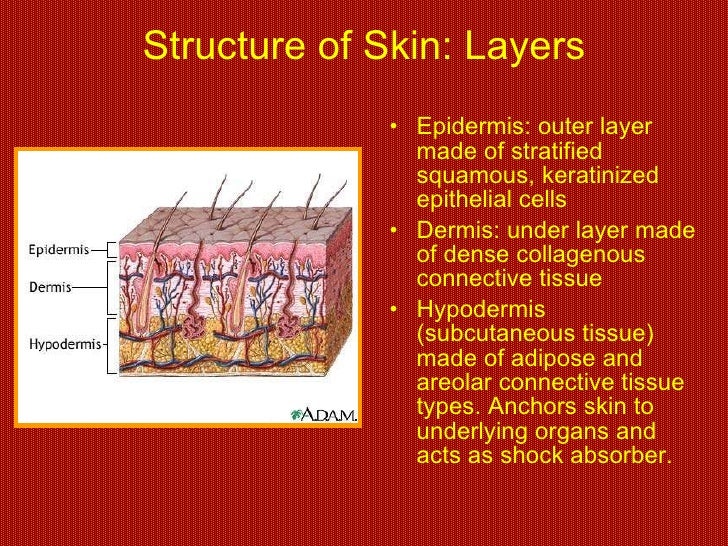
2 KD UNIT 1/CHAP.3: ORGANISATIONAL LEVEL OF HUMAN BODY STRUCTURE AND FUNCTION //NSNM/ 2013-2014 -The mesoderm, the middle layer, forms tissues such as muscle, bone, and blood vessels.-The ectoderm, the outer layer, forms the skin and a portion of the ectoderm called neuroectoderm becomes the nervous system. Groups of cells that break away from the neuroectoderm during development, called neural Integumentary Structure and Function •Cutaneous Membrane •Epidermis •Superficial epithelium •Dermis •Underlying connective tissue •Deep to the dermis is the hypodermis •Also known as the subcutaneous layer or superficial fascia •This is not normally considered to be a part of the INTRODUCTION The skin (integument) and its derivatives (adnexa) comprise the largest organ in the body.Skin is composed of two layers: (1) the ectodermally derived surface layer called the epidermis and (2) the underlying mesodermally derived connective tissue layer which is called the dermis.The epidermis is a stratified squamous epithelium with a different number of cell layers in different ... Lecture on Cutaneous Membrane and Accessory Structures. Primary purpose of this lecture is to presentation on Cutaneous Membrane and Accessory Structures. Major explanation are two major Subdivisions: Cutaneous Membrane (Epidermis, Dermis, Hypodermis) and Accessory Structures. Here also explain Epidermis, Stratum Germinativum (Stem cells ...
INTEGUMENTARY SYSTEM SKIN& BODY MEMBRANES. MEMBRANES ...
The skin is an epithelial membrane also called the cutaneous membrane. It is a stratified squamous epithelial membrane resting on top of connective tissue. The apical surface of this membrane is exposed to the external environment and is covered with dead, keratinized cells that help protect the body from desiccation and pathogens.

Jason's Anatomy and Physiology Stuff: Cutaneous Membrane
Cutaneous structure . The skin includes three primary compartments: • Epidermis • Stratum corneum • Stratum lucidum • Stratum granulosum • Stratum spinosum • Stratum basalis • Proteins and glycolipids • Dermo-epidermal junction • Dermis • Fibroblasts • Extracellular matrix • Blood and lymphatic vessels • Nerves • Pilosebaceous units

basement membrane epidermis - Google Search | КоÑÐ¼ÐµÑ‚Ð¾Ð»Ð¾Ð³Ð¸Ñ ...
Skin is the layer of usually soft, flexible outer tissue covering the body of a vertebrate animal, with three main functions: protection, regulation, and sensation.. Other animal coverings, such as the arthropod exoskeleton, have different developmental origin, structure and chemical composition.The adjective cutaneous means "of the skin" (from Latin cutis 'skin').

Acantholysis in the interfollicular epidermis and mucous ...
Classification of Body Membranes (pp. 92-94) List the general functions of each membrane type - cutaneous, mucous, serous, and synovial - and give its location in the body. Compare the structure (tissue makeup) of the major membrane types.

Image from page 141 of "Chordate anatomy" (1939)
• 5-8 Discuss the various kinds of glands in the skin, and list the secretions of those glands. • 5-9 Describe the anatomical structure of nails, and explain how they are formed. • 5-10 Explain how the skin responds to injury and repairs itself. • 5-11 Summarize the effects of aging on the skin.

Anatomy Lab 4 Flashcards | Quizlet
The skin is an epithelial membrane also called the cutaneous membrane. It is a stratified squamous epithelial membrane resting on top of connective tissue. The apical surface of this membrane is exposed to the external environment and is covered with dead, keratinized cells that help protect the body from desiccation and pathogens.

Ultrastructural elements (a-d) of the basement membrane ...
Cutaneous membrane = skin A dry membrane Outermost protective boundary Superficial epidermis Keratinized stratified squamous epithelium ... Skin Structure Slide 4.10b Deep to dermis is the hypodermis Not part of the skin Anchors skin to underlying organs Composed mostly

Integumentary system The skin and accessory organs (Hair ...
Perineal membrane (inferior view) The perineal membrane provides a caudal (superficial) boundary for the deep perineal pouch, which is also limited rostrally (deeply) by the endopelvic fascia of the pelvic floor.The deep perineal pouch is occupied by the pubourethralis and deep transverse perinei muscles.
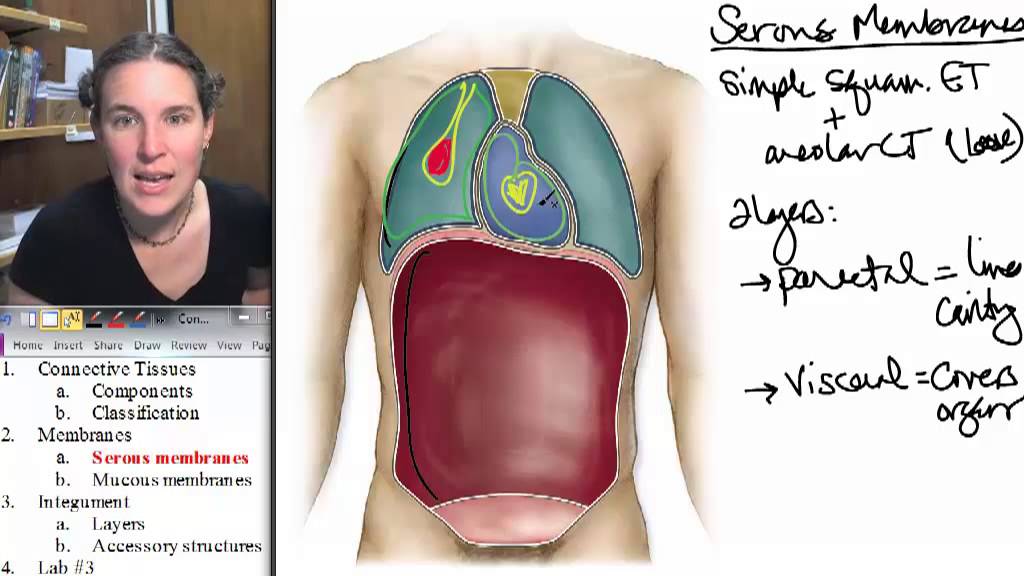
Popular Classic (F13)- Serous Membranes - YouTube
This chapter provides an overview of the structure and function of healthy human skin, followed by a review of some physiological factors that can affect transdermal and topical drug delivery, such as skin dis-orders and age-related alterations to the membrane. 1.2 Healthy skin structure and function

Rare Genetic Disorder: October 2012
Skin = Integument = Cutaneous Membrane 7 Functions: 1. Protective covering 2. Regulates body temperature 3. Manufactures Vitamin D 4. Sensory function 5. Temporary storage of fat, glucose, water and salts 6. Screens out harmful ultraviolet radiation 7. Absorbs certain drugs . STRUCTURE OF THE SKIN

Microstructure of the basement membrane zone of skin ...
The skin is continuous, with the mucous membranes lining the body's surface (Kanitakis, 2002). The integumentary system is formed by the skin and its derivative structures (see Figure 1-1). The skin is composed of three layers: the epidermis, the dermis, and subcutaneous tissue (Kanitakis, 2002). The outermost

Figure 8 from Abnormalities in the basement membrane ...
Pleura - the serous membrane that surrounds the lungs. Pericardium - the serous membrane that surrounds the heart. Cutaneous Membrane (Skin) The skin serves a number of important functions and is associated with a number of structures that are derived from it. The skin forms the integumentary system.
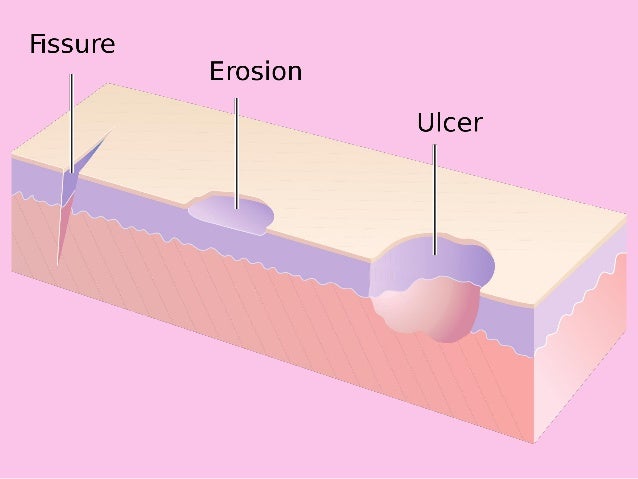
Basement Membrane Zone : PPT - Structure and Function of ...
Structure and Function. The skin has many functions. It serves as a barrier to water, invasion by microorganisms, mechanical and chemical trauma, and damage from UV light. The epidermal water barrier established by the cell envelop, a layer of insoluble proteins on the inner surface of the plasma membrane.It is formed by cross-linking of small proline-rich proteins and larger proteins like ...

Image from page 1385 of "Anatomy, descriptive and applied" (1913)
It is lined by a 3 layer meningeal membrane (stars). The dura mater (blue) is the outermost layer, the arachnoid (purple) is the middle layer, and the pia mater (turquoise) is the innermost layer surrounding the brain (red). The CSF is in the subarachnoid space (yellow). Spinal Cavity Let’s go back to our flow chart.
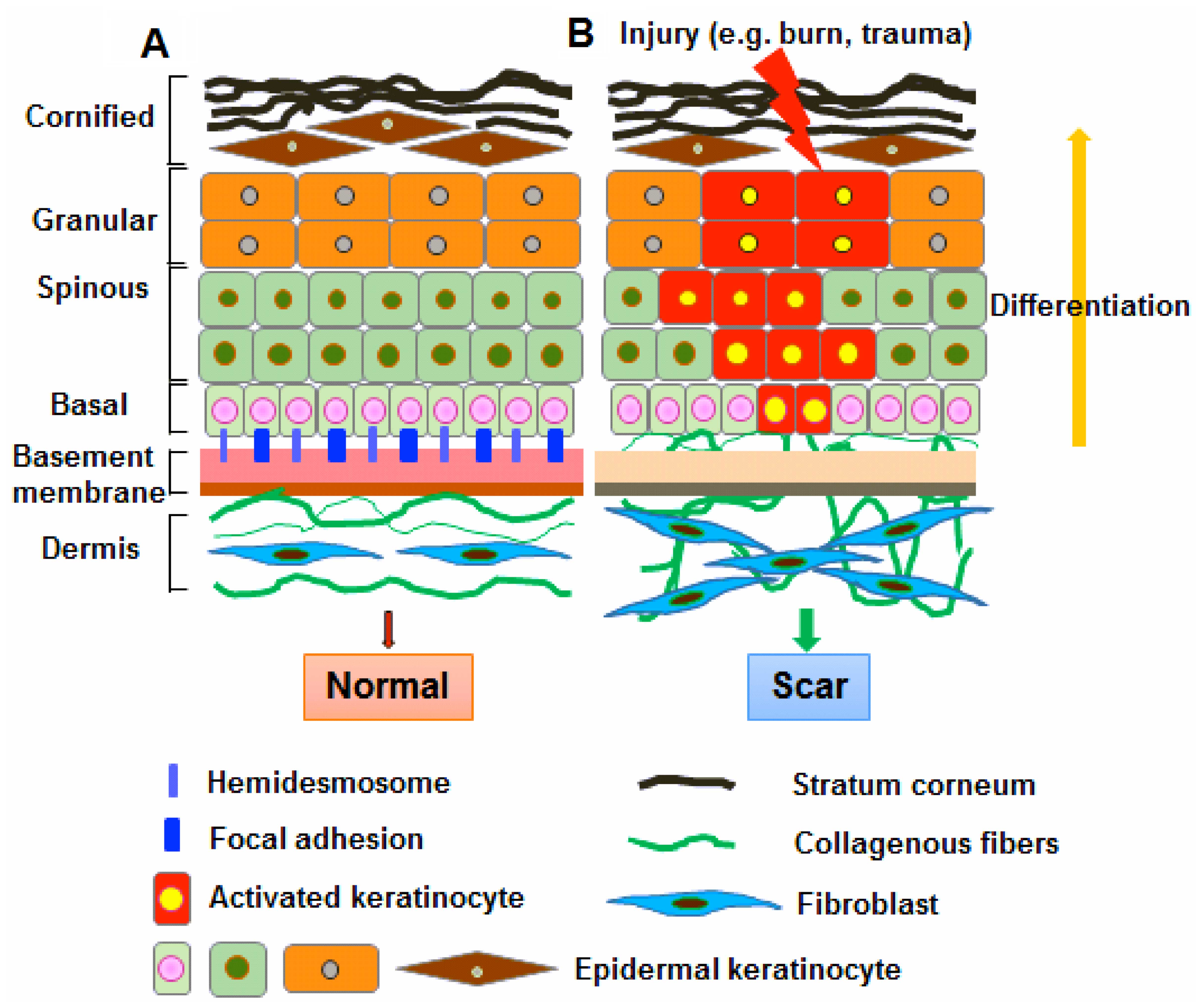
A Basement Membrane Occurs Between - How to Convert a ...
The cutaneous membrane has two major layers. Mainly, epidermis and dermis. Epidermis: This forms the outer layer of the skin, and is a structure made up of keratinized stratified squamous epithelial cells. It has no blood vessels and contains 4 types of cells, 5 layers of cells forming a tissue.
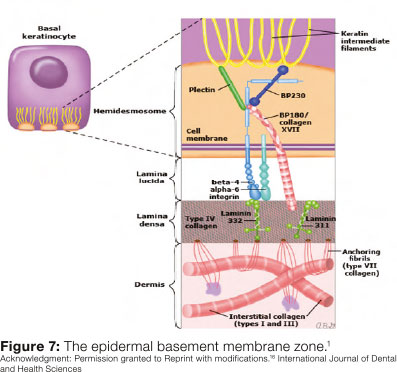
Basement Membrane Zone : PPT - Structure and Function of ...
The skin is an epithelial membrane also called the cutaneous membrane. It is a stratified squamous epithelial membrane resting on top of connective tissue. The apical surface of this membrane is exposed to the external environment and is covered with dead, keratinized cells that help protect the body from desiccation and pathogens.

Image from page 384 of "Diseases of the nervous system .." (1908)
of the basement membrane. Type IV collagen is similar in structure to its fiber-forming family members in that it contains trimers that wrap around one another into a helical structure. However, these trimers do not assemble into parallel, crosslinked arrays to form fibrils. Instead, type IV collagen retains domains at its N and C-termini

Image from page 607 of "The cyclopædia of anatomy and physiology" (1847)

Intralesional Treatment Identified As Promising Therapy ...

Integumentary System and Body membranes Flashcards | Quizlet

Image from page 113 of "Anatomy, descriptive and surgical" (1877)
Integumentary System - Visor Gang Science

INTEGUMENTARY SYSTEM SKIN& BODY MEMBRANES. MEMBRANES ...

Places To Be , Hamburg

Walls Bio 156 Human Biology: Tissues, Skin, Membranes Lab
The Integument | Veterian Key
Closeup of skeleton pelvic model
Skin and body membranes
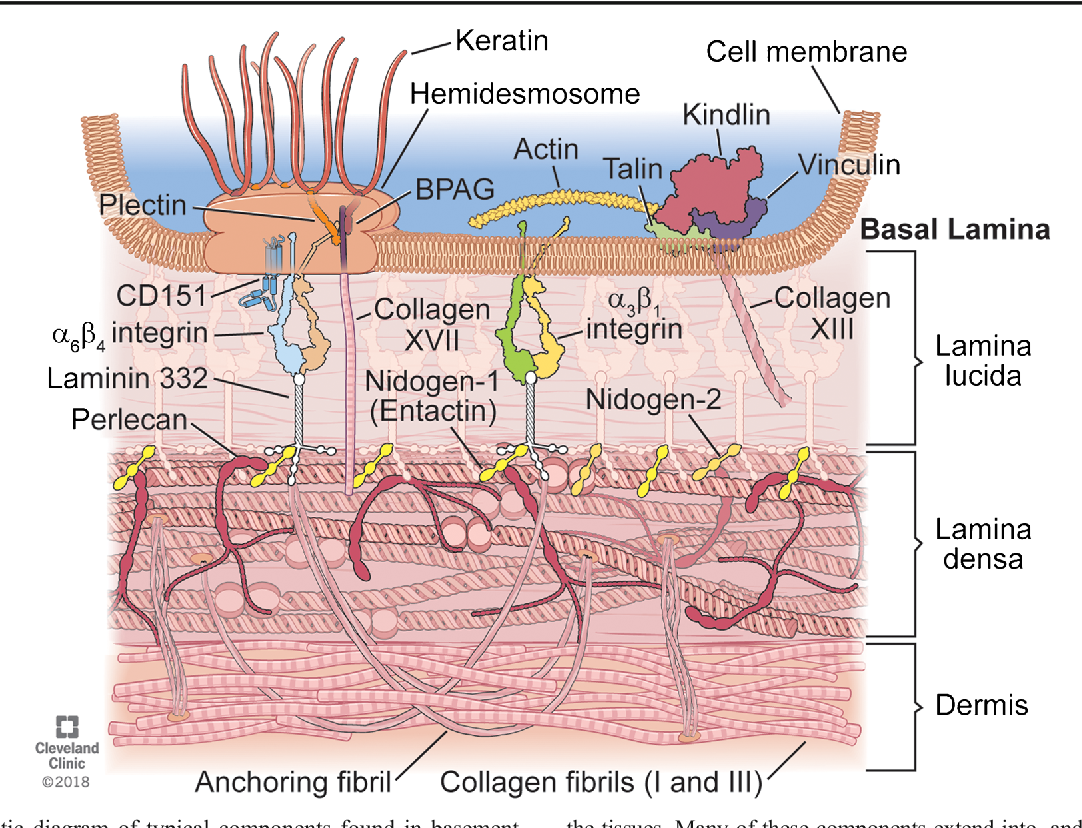
Basement membranes in the cornea and other organs that ...

A Basement Membrane Occurs Between - How to Convert a ...

| Structural composition of human epidermis and basement ...

Double-membrane structures in pemphigus tissue skin and ...

Human physiology: Epithelial Tissue

PPT - SKIN AND BODY MEMBRANES INTEGUMENTARY SYSTEM ...

72 best Wound Mx images on Pinterest | Cell biology ...

Image from page 229 of "A manual of diseases of the nervous system" (1892)

| Structural composition of human epidermis and basement ...

Dermis; Corium; Corion (Dermis)

Integumentary system The skin and accessory organs (Hair ...

Image from page 311 of "Comparative anatomy of vertebrates" (1907)
Comparison of Strat-Mâ„¢ membrane and the human skin ...

Pin on Genetics and Dermatology


Comments
Post a Comment